

Category: Intellectual Nourishment

Mixing with confidence: stability and compatibility resources for parenteral nutrition (PN)
PN is an important therapeutic intervention for patients of all ages managed across care settings—from the intensive care unit to the home.1 Compromised stability and/or compatibility of a PN admixture can have serious consequences for patients—yet the terms are often conflated. Understanding the distinction is essential for safe compounding and administration.
Stability and compatibility—what’s the difference?
Stability refers to maintaining the integrity―both chemical and physical―of the components within a formulation over time, avoiding any instability, which is typically irreversible.1
Compatibility refers to the ability of 2 or more components to be combined without producing a physical or chemical reaction—whether visible or not—that alters the formulation or compromises its safety.1
Compatibility asks: Can these components coexist? Stability asks: Will they stay that way? Both questions must be answered before administering a PN admixture.
Factors influencing stability and compatibility of a PN admixture
A PN admixture may include amino acids, dextrose, lipid injectable emulsion (ILE), and numerous additives (ie, electrolytes, vitamins, and trace elements). ILEs are essential components of PN as sources of energy and essential fatty acids; however, they are inherently unstable systems and, over time, may undergo various stages of destabilization.1 The stability and compatibility of an ILE when mixed with amino acids and dextrose depend on:
- pH: ILEs are most stable at pH 7-8. Dextrose is acidic and lowers the final admixture pH; amino acids are buffers and the rate-limiting factors for admixture stability.1-3
- Macronutrient concentrations: Based on soybean oil ILE data, minimum final concentrations of dextrose ≥10%, amino acids ≥4%, and ILE ≥2% are generally required for admixture stability (the “10/4/2 rule”). These concentrations may differ between ILE products.1,4 Refer to the manufacturer’s stability data for specific concentrations.
- Micronutrients: Calcium, magnesium, and iron can neutralize the emulsifier’s surface charge and destabilize the emulsion.3
- Light and oxygen: Exposure to light and oxygen can degrade lipids and vitamins within an ILE, making them unstable. The American Society for Parenteral and Enteral Nutrition (ASPEN) recommends photoprotection of PN admixtures and ILEs for neonates.4
PN administration considerations
PN can be administered as a total nutrient admixture (TNA) or co-infused via a Y-site connection.
- TNAs combine all macronutrients, including the ILE, in a single bag. Stability must be maintained across the full beyond-use period, and data are product and formulation specific.1
- Results from one amino acid or ILE product cannot be extrapolated to another.3
- Y-site connections permit co-infusion of an ILE with another PN or a PN with a medication.2
- Stability and compatibility should be verified using product-specific data and should not be assumed based on visual inspection or prior experience.
SMOFlipid® and Omegaven® stability and compatibility resources
As the US market leader in ILEs,5 Fresenius Kabi is excited to offer stability and compatibility resources for SMOFlipid (lipid injectable emulsion), for intravenous use, and Omegaven (fish oil triglycerides) injectable emulsion, for intravenous use, to help clinicians make informed, evidence-based decisions.
Under the resources page, you will find SMOFlipid and Omegaven Admixture Stability Reference Guides for Adults and Pediatrics, Y-Site Drug Compatibility Guides, and other helpful SMOFlipid and Omegaven resources that are backed by current guidelines and robust data.
- SMOFlipid is the first and only 4-oil ILE—combining soybean oil, medium-chain triglycerides, olive oil, and fish oil—approved for use in adult and pediatric patients.6
- Omegaven is the first and only fish oil ILE approved in the US as a source of calories and fatty acids in pediatric patients with PN-associated cholestasis.7
Fresenius Kabi is committed to bringing more to PN—and these resources reflect that commitment.
Fresenius Kabi Product Resources and Informative Podcasts
SMOFlipid (lipid injectable emulsion), for intravenous use
IMPORTANT SAFETY INFORMATION
What is SMOFlipid?
- Indicated in adult and pediatric patients as a source of calories and essential fatty acids for parenteral nutrition (PN) when oral or enteral nutrition is not possible, insufficient, or contraindicated.
- The hourly infusion rate in pediatrics should not exceed 0.75 mL/kg/hour and 0.5 mL/kg/hour in adults.
SMOFlipid should not be received by patients who have:
- A known allergy to fish, egg, soybean, or peanut, or to any of the active or inactive ingredients in SMOFlipid.
- Abnormally high levels of lipid (triglycerides) in the blood.
SMOFlipid may cause serious side effects including:
- Serious Adverse Reactions with Rapid Infusion of Intravenous Lipid Emulsion in Neonates and Infants: Strictly follow the recommended total daily dosage and do not exceed the maximum infusion rate. If poor clearance of fats occurs, the infusion should be stopped, and a medical evaluation started.
- Risk of Parenteral Nutrition-Associated Liver Disease: Parenteral nutrition-associated liver disease (PNALD) may progress to liver inflammation and damage caused by a buildup of fat in the liver with scarring and cirrhosis.
- Allergic Reactions: Contact your healthcare provider immediately if you are experiencing an allergic reaction.
- Fat Overload Syndrome, Refeeding Syndrome, Elevated Triglycerides (Hypertriglyceridemia): Your healthcare provider will monitor you for signs and symptoms of early infection and blood levels.
Monitoring/Laboratory Tests: The content of vitamin K may interfere with blood clotting activity of medications.
The most common side effects (>1%) in adult patients include nausea, vomiting, and high levels of glucose in the blood and in pediatric patients include low levels of red blood cells, vomiting, increased levels of liver enzymes (i.e., gamma-glutamyltransferase) and hospital-acquired infections.
These are not all the possible side effects associated with SMOFlipid. Call your healthcare provider for medical advice regarding SMOFlipid side effects. You are encouraged to report negative side effects of SMOFlipid. Contact Fresenius Kabi USA, LLC at: 1-800-551-7176 or FDA at: 1-800-FDA-1088 or www.fda.gov/medwatch. The FDA-approved product labeling can be found at https://freseniuskabinutrition.com/SMOFlipidPI.
OMEGAVEN (fish oil triglycerides) injectable emulsion, for intravenous use
IMPORTANT SAFETY INFORMATION
These highlights do not include all the information needed to use OMEGAVEN safely and effectively. To learn more about OMEGAVEN for your child, talk to your child’s healthcare provider. OMEGAVEN is available by prescription only. The FDA-approved product labeling can be found at https://freseniuskabinutrition.com/OmegavenPI.
What is OMEGAVEN?
- A fish oil-based intravenous lipid emulsion that is a source of calories and fatty acids in pediatric patients with parenteral nutrition-associated cholestasis (PNAC).
- Does not prevent PNAC.
- It has not been demonstrated that the clinical outcomes seen in pediatric patients are a result of the omega-6:omega-3 fatty acid ratio of the product.
- The hourly infusion rate should not exceed 1.5 mL/kg/hour
OMEGAVEN should not be received by patients who have:
- a known allergy to fish or egg protein or to any of the ingredients in OMEGAVEN.
- a severe bleeding disorder.
- abnormally high levels of lipid (triglycerides) in the blood.
What important safety information should I know about OMEGAVEN?
- Serious Adverse Reactions with Rapid Infusion of Intravenous Lipid Emulsion in Neonates and Infants: Strictly follow the recommended total daily dosage and do not exceed the maximum infusion rate. If poor clearance of fats occurs, the infusion should be stopped, and a medical evaluation started.
- Allergic Reactions: Contact your healthcare provider immediately if you are experiencing an allergic reaction.
- Fat Overload Syndrome, Refeeding Syndrome, Elevated Triglycerides (Hypertriglyceridemia): Your healthcare provider will monitor you for signs and symptoms of early infection and blood levels.
The most common side effects, (>15%) include: vomiting, agitation, slower than normal heartbeat, interruption of breathing, and viral infection.
These are not all the possible side effects associated with OMEGAVEN. Call your healthcare provider for medical advice regarding OMEGAVEN side effects. You are encouraged to report negative side effects of OMEGAVEN. Contact Fresenius Kabi USA, LLC at: 1-800-551-7176 or FDA at: 1-800-FDA-1088 or www.fda.gov/medwatch. The FDA-approved product labeling can be found at https://freseniuskabinutrition.com/OmegavenPI.
Sources: 1. Boullata JI, Mirtallo JM, Sacks GS, et al. Parenteral nutrition compatibility and stability: a comprehensive review. JPEN J Parenter Enteral Nutr. 2022;46:273-299. 2. Boullata JI, Salman G, Mirtallo JM, et al. Parenteral nutrition compatibility and stability: practical considerations. Nutr Clin Pract. 2024;39(5):1150-1163. 3. Mirtallo JM, Ayers, P, Boullata J, et al. ASPEN lipid injectable emulsion safety recommendations, part 1: background and adult considerations. Nutr Clin Pract. 2020;35(5):769-782. 4. Cober MP, Gura KM, Mirtallo JM, et al. ASPEN lipid injectable emulsion safety recommendations, part 2: neonate and pediatric considerations. Nutr Clin Pract. 2021;36(6):1106-1125. 5. Data on File; 6/1/26; calculation included: all ILEs approved in the US. 6. SMOFlipid. Prescribing information. Fresenius Kabi USA, LLC; 2025. 7. Omegaven. Prescribing information. Fresenius Kabi USA, LLC; 2025.

Refueling right: refeeding syndrome and parenteral nutrition (PN)
Refeeding syndrome is caused when calories are reintroduced to a starving patient, leading to a metabolic shift. It happens because feeding suddenly flips the body from starvation metabolism to growth metabolism, and that switch rapidly pulls electrolytes into cells. Severe electrolyte disturbances during refeeding may lead to significant metabolic and organ-related complications.1,2
Refeeding syndrome: from starvation to electrolyte shift1,2
Starvation
(catabolic state)

Physiology
- Low insulin levels
- Body uses fat and protein for energy
- Cells slowly lose electrolytes

Intracellular electrolyte levels
- Phosphorus
- Potassium
- Magnesium

Serum levels
May still appear normal
Refeeding stage
(oral, enteral, or parenteral nutrition is reintroduced after the catabolic state)

Carbohydrates or IV dextrose introduced
- Blood glucose
- Insulin release

Insulin signals cells to take up glucose and electrolytes, driving an intracellular shift of:
- Phosphorus
- Potassium
- Magnesium

Serum levels
Rapid decline of phosphorus, potassium, magnesium, and thiamine
Clinical
consequences

Rapid electrolyte drops in critically ill patients can cause:
- Cardiac arrhythmias
- Respiratory failure
- Seizures
- Potential death

Hypophosphatemia is commonly considered one of the hallmarks of refeeding syndrome.
Considerations for PN initiation

Screen
Screening tools for refeeding syndrome risk are not well validated. As a result, clinicians often rely on clinical judgment when evaluating patients for nutrition support, including enteral or parenteral nutrition.1
The following are possible risk factors identified by ESPEN3:
- Prolonged starvation or low energy intake for more than 10 days
- Significant recent weight loss (>15%)
- Low serum magnesium
- Oncologic disease
- Eating disorders
- Chronic vomiting or diarrhea
- Older age
- High Nutritional Risk Screening (NRS-2002) score
- Multiple comorbidities

ASPEN categorizes refeeding syndrome severity based on the degree of electrolyte decline (a decrease in serum phosphorous, potassium, and/or magnesium)1:
- Mild: 10–20% decrease
- Moderate: 20–30% decrease
- Severe: >30% decrease and/or associated organ dysfunction or thiamine deficiency
ASPEN consensus recommendations for refeeding syndrome

Start
ASPEN recommends cautious initiation of calories in patients at risk1:
Initial energy provision
Initiate slowly in the first 24 hours; see recommendations for specific guidance and precautions
Advancement of nutrition
Increase calories gradually, advancing toward the goal over several days as electrolytes remain stable
Dextrose exposure
Consider all sources of dextrose, including IV fluids and medications administered in dextrose-containing solutions, when initiating nutrition support
Stabilize
Because electrolyte changes can occur rapidly during early refeeding, close monitoring is particularly important in settings where laboratory testing and clinical observation are available. This is one reason many high-risk patients are initially managed in monitored clinical settings. ASPEN recommends the following monitoring strategies for patients at risk for refeeding syndrome1:
Electrolytes
- Monitor phosphorus, potassium, and magnesium frequently, including every 12 hours for the first 3 days in high-risk patients
- Replace electrolytes as needed based on clinical status
Thiamine
- Provide thiamine supplementation before initiating dextrose-containing nutrition in patients at risk
Vital signs and clinical monitoring
- Monitor vital signs every 4 hours during the first 24 hours after calories are introduced
- Consider cardiorespiratory monitoring in unstable patients or those with severe electrolyte deficiencies
Fluid balance
- Track daily weights
- Monitor fluid intake and output to detect early fluid shifts
Ongoing reassessment
- Reevaluate nutrition goals and electrolyte status daily during early refeeding
- Once electrolytes remain stable without replacement for approximately 2 days, patients may be considered metabolically stabilized and nutrition care can proceed according to institutional standards
Feeding in the face of refeeding syndrome
For patients at risk of refeeding syndrome, the goal is not to avoid feeding. It is to identify risk early, initiate PN cautiously, and monitor closely as nutrition is advanced.
Screen for undernutrition and electrolyte risk
Start PN conservatively with a thoughtful approach

Stabilize through close monitoring and prompt electrolyte replacement

When initiating feeding in patients at risk of refeeding syndrome, clinicians should balance caution with the risks of prolonged underfeeding. Recent reviews emphasize that excessive restriction of nutrition may contribute to ongoing malnutrition-related complications in vulnerable patients.4
Access guidance from ASPEN on refeeding syndrome here.
Sources: 1. da Silva JSV, Seres DS, Sabino K, et al. ASPEN Consensus Recommendations for Refeeding Syndrome. Nutr Clin Pract. 2020;35(2):178-195. 2. Woo Ha S, Hong S-K. Recent advances in refeeding syndrome in critically ill patients: a narrative review. Ann Clin Nutr Metab. 2024;16:3-9. 3. Thibault R, Abbasoglu O, Ioannou E, et al. ESPEN guideline on hospital nutrition. Clin Nutr. 2021;40:5684-5709. 4. Borriello R, Esposto G, Ainora ME, et al. Understanding Refeeding Syndrome in Critically Ill Patients: A Narrative Review. Nutrients. 2025;17:1866.

Continuous vs intermittent nutrition support: what’s the difference for parenteral nutrition?
When parenteral nutrition (PN) is required, clinical decisions often focus on formulation—macronutrient composition, lipid source, and electrolyte balance. However, infusion modality—continuous versus intermittent (cyclic) delivery—may also influence metabolic and clinical outcomes.
A 2025 comparative narrative review examining continuous and intermittent enteral and parenteral nutrition in perioperative patients reported differences in metabolic control, infection risk, hepatic function, and quality of life depending on delivery pattern.1 While this review article looks at both enteral nutrition and PN, the focus of this blog will be on PN.
Earlier prospective studies evaluating cyclic PN infusion have also described metabolic and physiologic differences compared with continuous infusion, particularly in stable patients requiring long-term or home PN.2

These sources reinforce the principle: infusion strategy should be individualized rather than uniformly applied.
Understanding the delivery modes in parenteral nutrition

Continuous parenteral nutrition (CPN)
Continuous PN is administered intravenously over approximately 24 hours at a controlled rate, providing uninterrupted nutrient delivery. It is commonly used in hospitalized patients requiring sustained nutritional support.1

Intermittent parenteral nutrition (IPN)
Intermittent PN is delivered over a defined period—typically 8 to 12 hours daily—followed by a rest phase without infusion. The nutrient composition and total daily nutrient load may be similar to continuous PN; the primary difference lies in infusion timing and rate.1
In long-term or home PN settings, cyclic infusion is frequently administered overnight to allow mobility during daytime hours.2
Metabolic control and glycemic effects
The 2025 comparative narrative review reports that continuous PN maintains steady nutrient exposure but has been associated with persistent hyperglycemia and insulin resistance due to continuous glucose infusion. Hyperglycemia has been linked to impaired immune function and increased postoperative infection risk.1
Intermittent PN aligns more closely with physiologic feeding rhythms and may reduce risks of overfeeding and insulin resistance, although rapid infusion requires close glucose monitoring.1
A review of prospective studies of cyclic PN provides additional physiologic detail. Blood glucose concentrations rise following infusion initiation and typically return toward baseline within 1–2 hours after discontinuation in adults. Insulin responses increase in a dose-dependent manner with higher infusion rates.2
Symptomatic post-infusion hypoglycemia has been reported as uncommon in adults, even with abrupt discontinuation of PN.2
In children under 2–3 years of age, tapering of PN infusions may reduce risk of hypoglycemia.2
Infection risk and immune function
According to the 2025 comparative narrative review, continuous PN has been linked to higher postoperative infection rates, particularly in critically ill patients. Persistent hyperglycemia may impair immune function and increase susceptibility to infections. Intermittent PN has been associated in some studies with lower infection rates, potentially related to improved glycemic regulation.1
Hepatic considerations and PN-associated liver dysfunction
Long-term continuous PN has been associated with hepatobiliary complications such as fatty liver and cholestasis. Sustained metabolic demand and continuous infusion of nutrients may contribute to hepatic stress. The review reports that intermittent PN may be associated with a lower incidence of liver dysfunction, as rest periods may allow metabolic recovery.1
A review of prospective studies data described by Stout and colleagues further supports this observation. In adult patients with PN-associated cholestasis (bilirubin 5–20 mg/dL), switching from continuous to cyclic infusion was associated with stabilization of bilirubin and liver function tests, whereas patients maintained on continuous infusion experienced further increases.2

These findings suggest that infusion pattern may play a role in managing PN-associated hepatobiliary dysfunction, particularly in long-term PN recipients.
Energy expenditure and substrate utilization
A review of prospective studies comparing cyclic and continuous PN has demonstrated similar overall nitrogen balance and total daily energy expenditure between regimens. During cyclic infusion, nonprotein respiratory quotient (RQ) tends to be higher during the infusion period and lower during the post-infusion period, reflecting shifts in substrate utilization. However, total daily metabolic outcomes appear comparable.2

These findings indicate that cyclic PN does not inherently compromise protein balance or overall energy utilization in stable patients.
Quality of life and mobility
Continuous PN requires prolonged connection to intravenous equipment, which may restrict mobility and has been associated with lower quality-of-life scores in postoperative recovery. Intermittent PN allows greater mobility during non-infusion periods and has been associated with improved quality-of-life scores and shorter hospital stays in certain patient populations.1
In long-term or home PN settings, cyclic infusion has been widely implemented to provide patients greater freedom from equipment during non-infusion hours.2
When continuous PN remains appropriate
Continuous PN remains appropriate for:
-

Critically ill or hemodynamically unstable patients1,2
-

Patients undergoing surgery
-

Critically ill mechanically ventilated patients, in whom cyclic PN has been associated with increased oxygen consumption and carbon dioxide elimination2
Both sources conclude that selection of infusion modality should be based on the patient’s surgical procedure, metabolic needs, and overall clinical condition.1,2
BOTTOM LINE
Continuous and intermittent PN represent distinct delivery strategies. Evidence from a perioperative narrative review and a review of prospective cyclic PN studies describes differences in:
Glycemic control1,2
Infection risk1
Hepatic outcomes1,2
Mobility and quality of life1,2
Rather than assuming one infusion mode fits all patients, the literature supports tailoring PN delivery strategy to the individual clinical situation.
Sources: 1. Zhou Z, Zhou J. Intermittent vs. continuous: a comparative narrative review of enteral and parenteral nutrition support strategies in the perioperative setting. Eur J Clin Nutr. 2026;80(2):140-145. 2. Stout SM, Cober MP. Cyclic Parenteral Nutrition Infusion: Considerations for the Clinician. Pract Gastroenterol. 2011;July:11-24.

Nutritional considerations for patients undergoing major surgery
Patients undergoing major surgery can experience distinct metabolic and nutritional challenges that require early, individualized planning. The 2025 European Society for Clinical Nutrition and Metabolism (ESPEN) guideline on clinical nutrition in surgery identifies these patients—particularly those undergoing complex or cancer-related procedures—as being at increased nutritional risk across the perioperative period.
Rather than applying a uniform approach, ESPEN emphasizes aligning nutrition support with surgical stress, baseline nutritional status, and gastrointestinal function. Within this framework, the guideline provides specific recommendations that inform the use of nutrition support, including parenteral nutrition (PN), across the surgical care pathway.
Integrating nutrition across the surgical care pathway
Early nutrition risk assessment
- Identify malnutrition or risk
of malnutrition - Anticipate perioperative
nutrition needs
Timely nutrition planning
- Resume oral intake or tube
feeding/enteral nutrition when
clinically appropriate - Evaluate adequacy of intake
Nutrition route selection
- Oral or enteral nutrition
when feasible - PN when oral or enteral intake
is not possible or sufficient
Ongoing reassessment
- Monitor tolerance and
nutritional adequacy - Transition to oral or enteral
nutrition as gastrointestinal
function improves
Within this pathway-based approach, ESPEN highlights several considerations that are especially relevant for patients undergoing major surgery.
Elevated nutritional risk in major and cancer surgery
Major surgery induces an inflammatory and catabolic response that can increase protein and energy requirements while limiting intake. ESPEN notes that patients undergoing extensive procedures, including cancer surgery, are particularly vulnerable due to factors such as preexisting malnutrition, reduced intake before surgery, and delayed recovery of gastrointestinal function.
Because nutritional deficits may already be present at the time of surgical planning—especially in oncology populations—the guideline emphasizes early and proactive nutritional assessment rather than reactive intervention.
When oral and enteral nutrition are insufficient
While oral and enteral nutrition remain preferred whenever feasible, ESPEN acknowledges that these routes may not adequately meet nutritional needs in patients with gastrointestinal tract resections. Gastrointestinal dysfunction, postoperative ileus, surgical resections, or intolerance may limit intake during critical periods.
In these situations, the guideline supports the use of PN to help ensure adequate nutrient delivery when insufficient oral or enteral intake is anticipated for a prolonged duration.
Supplemental PN and short-term peripheral PN use
Recommendation #13 supports the use of supplemental peripheral PN when PN is required for a short duration (less than 7 days) and when central venous access is not indicated or available. This recommendation highlights peripheral PN as a practical option for short-term nutritional support in appropriate patients.
If the expected duration of supplementary PN is below seven days, nutrition can be delivered parenterally via peripheral access. (Grade 0; strong consensus 100%.)
This guidance reinforces the role of PN across a spectrum of surgical needs, including short-term supplementation when oral or enteral intake alone is insufficient.
PN in malnourished surgical patients
Recommendation #20 notes that PN in malnourished patients is supported by evidence demonstrating significantly lower mortality, with a tendency toward lower infection rates, compared with no PN. This recommendation is informed by a meta-analysis of randomized controlled trials and underscores the importance of addressing malnutrition proactively in surgical populations.

Patients with severe malnutrition and/or high metabolic risk shall receive nutritional therapy preoperatively (A), even if it postpones surgery. A period of 10–14 days should be considered (B). (Grade A/B; strong consensus 93%.)
Importantly, the guideline situates these findings within the context of patient selection, reinforcing that the benefits observed apply specifically to malnourished patients, rather than broadly to all surgical populations.
Increased protein and energy requirements
ESPEN highlights that the metabolic response to major surgery is associated with increased protein and energy demands. Nutrition therapy should be designed to meet these requirements and adjusted as the patient’s condition evolves.
When PN is indicated, it should be tailored to individual needs and integrated into a broader nutrition plan that reflects changes in tolerance and recovery.
Preoperative PN in high-risk patients
Recommendation #27 notes that preoperative PN may be beneficial in malnourished patients and/or patients at high metabolic risk in whom oral/enteral nutrition is not feasible. ESPEN cites evidence from a large Cochrane analysis showing a reduction in noninfectious complications in patients with gastrointestinal tract resections receiving preoperative PN compared with standard care.

Only in those patients with severe malnutrition and/or at high metabolic risk in whom oral/enteral nutrition is not feasible, preoperative PN shall be provided (A). A period of 10–14 days with a minimum of seven days can be recommended (GPP). (Grade A/GPP; strong consensus 100%.)
This recommendation reinforces the importance of considering nutrition support earlier in the surgical timeline for patients at high nutritional risk.
Considerations in cancer surgery
For patients undergoing cancer surgery, ESPEN emphasizes the importance of nutrition support within complex oncologic care pathways. Tumor-related symptoms, prior treatments, and surgical burden may contribute to prolonged periods of inadequate intake.
In malnourished patients or those at high nutritional risk, PN may play a role when oral or enteral routes cannot sufficiently meet nutritional requirements.
Nutrition as a core element of surgical care
Together, these insights from the ESPEN 2025 guideline on clinical nutrition in surgery reinforce a consistent theme: nutrition should be integrated early and deliberately across the surgical care pathway. From risk assessment through recovery, timely and individualized nutrition support—including PN when indicated—remains a foundational component of comprehensive perioperative care.
Source: Weimann A, Bezmarevic M, Braga M, et al. ESPEN guideline on clinical nutrition in surgery – Update 2025. Clin Nutr. 2025;53:222-261.

No longer a last resort: how the 2025 ESPEN guideline for clinical nutrition in surgery repositions parenteral nutrition (PN)
Nutrition support is a fundamental component of surgical care, particularly for patients who are unable to meet their nutritional needs orally or enterally. The 2025 update to the European Society for Clinical Nutrition and Metabolism (ESPEN) guideline on clinical nutrition in surgery reinforces this position, providing updated, evidence-based recommendations on when and how parenteral nutrition, or PN, should be considered as part of a structured perioperative care pathway.
The guideline presents 44 evidence-based recommendations for clinical practice, developed using the GRADE methodology to assess quality of evidence and strength of recommendations, with formal expert consensus reporting. Throughout this post, references to ESPEN guidance reflect specific recommendations as stated in the guideline, including the grade of recommendation and level of expert consensus where reported.
Rather than positioning PN as a last-resort intervention, the guideline emphasizes timely assessment, early decision-making, and integration of nutrition support—including PN—within modern perioperative frameworks.
PN as part of timely nutrition therapy—not delayed by default
A key focus of the 2025 update is the importance of initiating nutrition therapy without unnecessary delay once an indication is established. Prolonged periods of inadequate intake are discouraged, particularly in patients with preexisting malnutrition or those expected to have limited oral or enteral intake for an extended period.
ESPEN states that PN should be initiated in severely malnourished patients when oral or enteral nutrition is not feasible, insufficient, or contraindicated, with decisions guided by gastrointestinal function and patient-specific nutritional needs rather than surgical timing alone.

Parenteral nutrition should be started as soon as possible if there is a contraindication to oral and enteral nutrition (e.g., intestinal obstruction), especially in severely malnourished patients.
(Grade B; strong consensus 96%.)
This recommendation reinforces PN as a necessary and appropriate modality in defined clinical scenarios, rather than a fallback option used only after prolonged underfeeding.
Early identification of nutritional risk drives PN decision-making
A central theme of the 2025 ESPEN update is the importance of early nutritional risk assessment in surgical patients. The recommendations reiterate that patients who are malnourished or at risk of malnutrition should be identified as early as possible—ideally before surgery, but also promptly in the postoperative period when risk becomes apparent.
Supplemental parenteral nutrition when intake is inadequate
ESPEN supports the use of supplemental parenteral nutrition (SPN) when oral or enteral intake does not provide adequate nutritional coverage, reinforcing PN’s role in preventing cumulative energy and protein deficits.

If energy and substrate requirements cannot be met by oral and/or tube feeding alone (<50% of energy requirements) within three to four days, a combination of oral, enteral, and (supplementing) parenteral nutrition should be given. (Grade B; strong consensus 100%.)
This recommendation further underscores PN’s role as part of a continuum of nutrition support, tailored to patient needs and reassessed as clinical conditions evolve.
Standardized PN formulations in clinical practice
The 2025 ESPEN guideline also addresses the role of standardized parenteral nutrition formulations in appropriate clinical settings. Recommendation #14 states that standardized, multi-chamber PN formulations may be used as an alternative to compounded PN in patients who require parenteral nutrition and whose nutritional needs can be met with fixed formulations. ESPEN notes that this approach may be particularly relevant when rapid initiation of PN is needed or when compounding is not feasible, with the recommendation supported by Grade B evidence and strong expert consensus.

For parenteral nutrition, all-in-one (three-chamber, compounded) bags should be preferred to single components (multiple-bottle systems). (Grade B; strong consensus 100%.)
The recommendation emphasizes that formulation choice should be guided by clinical context and patient needs, and that standardized PN represents one option within a broader, individualized nutrition strategy.
Alignment with Enhanced Recovery After Surgery (ERAS®) guidelines
A notable evolution in the 2025 update is the explicit alignment of nutrition recommendations with the Enhanced Recovery After Surgery, or ERAS, framework. Within this context, medical nutrition—which may include PN—is positioned as part of an integrated approach to preoperative care, supporting metabolic stability when oral or enteral strategies are not sufficient.
By embedding this guidance within ERAS, the guideline underscores that nutrition support decisions should be coordinated with broader perioperative planning, including surgical timing, postoperative recovery goals, and anticipated gastrointestinal function.
Applicability in both elective and nonelective surgery
ESPEN makes clear that PN considerations extend across both elective and nonelective surgical settings. While elective surgery may allow more opportunity for preoperative optimization, patients undergoing urgent or emergency procedures may also require timely nutrition support when oral or enteral intake is not possible.
In these settings, PN is framed as a practical means of addressing nutritional needs when other routes are unavailable, supporting continuity of care despite clinical urgency.
Lipid composition as part of PN planning

Postoperative parenteral nutrition, including omega-3 fatty acids, should be used in patients who cannot receive adequate enteral nutrition and, therefore, require predominantly parenteral or combined enteral/parenteral nutrition. (Grade B; strong consensus 100%.)
The guideline notes that intravenous lipid emulsions containing omega-3 fatty acids may be considered as part of PN regimens, with lipid selection guided by patient condition, clinical goals, and tolerance. The recommendation reflects expert consensus and emphasizes that lipid choice should be individualized within a comprehensive nutrition strategy.
Importantly, ESPEN frames lipid composition within a balanced approach to PN, reinforcing that it represents one element of nutrition therapy rather than a standalone decision.
PN within a structured, patient-centered approach
Throughout the 2025 update, ESPEN consistently emphasizes that PN should be delivered within a structured and monitored framework, with regular reassessment of nutritional goals and tolerance.
PN is not a static intervention. As gastrointestinal function improves and oral or enteral intake becomes feasible, nutrition strategies should be adapted to support appropriate transitions while maintaining nutritional adequacy. This patient-centered approach reflects a broader shift in surgical nutrition care—one that prioritizes individualized decision-making, timely intervention, and alignment with overall treatment pathways.
Setting the stage for practical application
Taken together, the 2025 ESPEN guideline provides a framework for when PN is appropriate, how it should be integrated, and why timing matters in surgical patients. By reinforcing early assessment and timely initiation when indicated, PN is positioned as an essential component of comprehensive perioperative nutrition care—supporting clinicians as they navigate complex nutritional needs across the surgical continuum.
Access the 2025 update to the ESPEN guidelines on clinical nutrition in surgery.
OMEGAVEN (fish oil triglycerides) injectable emulsion, for intravenous use
IMPORTANT SAFETY INFORMATION FOR CONSUMERS
These highlights do not include all the information needed to use OMEGAVEN safely and effectively. To learn more about OMEGAVEN for your child, talk to your child’s healthcare provider. OMEGAVEN is available by prescription only. The FDA-approved product labeling can be found at www.freseniuskabinutrition.com/OmegavenPI.
What is OMEGAVEN?
- A fish oil-based intravenous lipid emulsion that is a source of calories and fatty acids in pediatric patients with parenteral nutrition-associated cholestasis (PNAC).
- Does not prevent PNAC.
- It has not been demonstrated that the clinical outcomes seen in pediatric patients are a result of the omega-6:omega-3 fatty acid ratio of the product.
- The hourly infusion rate should not exceed 1.5 mL/kg/hour
OMEGAVEN should not be received by patients who have:
- a known allergy to fish or egg protein or to any of the ingredients in OMEGAVEN.
- a severe bleeding disorder.
- abnormally high levels of lipid (triglycerides) in the blood.
What important safety information should I know about OMEGAVEN?
- Serious Adverse Reactions with Rapid Infusion of Intravenous Lipid Emulsion in Neonates and Infants: Strictly follow the recommended total daily dosage and do not exceed the maximum infusion rate. If poor clearance of fats occurs, the infusion should be stopped, and a medical evaluation started.
- Allergic Reactions: Contact your healthcare provider immediately if you are experiencing an allergic reaction.
- Fat Overload Syndrome, Refeeding Syndrome, Elevated Triglycerides (Hypertriglyceridemia): Your healthcare provider will monitor you for signs and symptoms of early infection and blood levels.
The most common side effects, (>15%) include: vomiting, agitation, slower than normal heartbeat, interruption of breathing, and viral infection.
These are not all the possible side effects associated with OMEGAVEN. Call your healthcare provider for medical advice regarding OMEGAVEN side effects. You are encouraged to report negative side effects of OMEGAVEN. Contact Fresenius Kabi USA, LLC at: 1-800- 551-7176 or FDA at: 1-800-FDA-1088 or www.fda.gov/medwatch. The FDA-approved product labeling can be found at www.FreseniusKabiNutrition.com/OmegavenPI.
KABIVEN (Amino Acids, Electrolytes, Dextrose, and Lipid Injectable Emulsion), for intravenous use
PERIKABIVEN (Amino Acids, Electrolytes, Dextrose, and Lipid Injectable Emulsion), for intravenous use
IMPORTANT SAFETY INFORMATION FOR CONSUMERS
What is Kabiven and Perikabiven?
- Indicated in adult patients as a source of calories, protein, electrolytes and essential fatty acids for parenteral nutrition when oral or enteral nutrition is not possible, insufficient, or contraindicated. Kabiven and Perikabiven may be used to prevent essential fatty acid deficiency or treat negative nitrogen balance in adults.
- Do not exceed the recommended maximum infusion rate of 2.6 mL/kg/hour for Kabiven and 3.7 mL/kg/hour for Perikabiven.
Limitations of Use
Neither Kabiven nor Perikabiven is recommended in pediatric patients less than 2 years old because the fixed amount of the formulations do not meet nutritional needs in this age group.
Do not use Kabiven or Perikabiven in patients who have:
- Simultaneous treatment with ceftriaxone in neonates (28 days of age or younger)
- Known allergy to egg, soybean, peanut or any of the active or inactive ingredients
- Abnormally high levels of lipid (triglycerides) in the blood (with serum triglyceride concentration >1,000 mg/dL)
- Inborn errors of amino acid metabolism (a genetic defect in protein metabolism)
- Cardiopulmonary instability (inability for the heart and lungs to function right)
- Hemophagocytic syndrome (a disorder of the immune system)
Kabiven and Perikabiven may cause serious side effects including:
- Serious Adverse Reactions with Rapid Infusion of Intravenous Lipid Emulsion in Neonates and Infants: Strictly follow the recommended total daily dosage and do not exceed the maximum infusion rate. If poor clearance of fats occurs, the infusion should be stopped, and a medical evaluation started.
- Risk of Parenteral Nutrition-Associated Liver Disease: Increased risk in patients who receive parenteral nutrition for greater than 2 weeks. Your healthcare provider will monitor liver tests.
- Pulmonary Embolism (a blockage in a blood vessel in the lung) and Respiratory Distress (increased breathing rate, bluish skin color changes, wheezing) due to Pulmonary Vascular Precipitates (solid substance in the blood vessel of the lungs): If signs of lung issues occur, stop the infusion and start a medical evaluation.
- Allergic Reactions: Contact your healthcare provider immediately if you are experiencing an allergic reaction
- Precipitation (solid substance in the blood vessel) with Ceftriaxone: Do not administer ceftriaxone simultaneously with Kabiven or Perikabiven via a Y-site.
- Infection, fat overload, hyperglycemia (high blood sugar) and refeeding syndrome: Your healthcare provider will monitor you for signs and symptoms of early infection and blood levels
The most common adverse reactions for Kabiven (≥3%) are nausea, fever, high blood pressure, vomiting, decreased blood hemoglobin, decreased blood total protein, low blood potassium, and increased gamma glutamyltransferase (a liver enzyme). The most common adverse reactions for Perikabiven (≥3%) are high blood sugar, low blood potassium, fever and increased blood lipids.
To report SUSPECTED ADVERSE REACTIONS, contact Fresenius Kabi USA, LLC at 1-800-551-7176, option 5, or FDA at 1-800-FDA-1088 or www.fda.gov/medwatch.
Tell your doctor if you are taking coumarin and coumarin derivatives, including warfarin: the drug activity may be lessened and your healthcare provider will monitor your blood.
These are not all the possible side effects associated with Kabiven and Perikabiven. Call your healthcare provider for medical advice regarding Kabiven and Perikabiven side effects. You are encouraged to report negative side effects of Kabiven and Perikabiven. Contact Fresenius Kabi USA, LLC at: 1-800-551-7176 or FDA at: 1-800-FDA-1088 or www.fda.gov/medwatch. The FDA-approved product labeling can be found at www.FreseniusKabiNutrition.com/KabivenPI and www.FreseniusKabiNutrition.com/PerikabivenPI.
SMOFlipid® (lipid injectable emulsion, USP), for intravenous use
IMPORTANT SAFETY INFORMATION FOR CONSUMERS
What is SMOFlipid?
- Indicated in adult and pediatric patients as a source of calories and essential fatty acids for parenteral nutrition (PN) when oral or enteral nutrition is not possible, insufficient, or contraindicated.
- The hourly infusion rate in pediatrics should not exceed 0.75 mL/kg/hour and 0.5 mL/kg/hour in adults.
SMOFlipid should not be received by patients who have:
- A known allergy to fish, egg, soybean, or peanut, or to any of the active or inactive ingredients in SMOFlipid.
- Abnormally high levels of lipid (triglycerides) in the blood.
SMOFlipid may cause serious side effects including:
- Serious Adverse Reactions with Rapid Infusion of Intravenous Lipid Emulsion in Neonates and Infants: Strictly follow the recommended total daily dosage and do not exceed the maximum infusion rate. If poor clearance of fats occurs, the infusion should be stopped, and a medical evaluation started.
- Risk of Parenteral Nutrition-Associated Liver Disease: Parenteral nutrition-associated liver disease (PNALD) may progress to liver inflammation and damage caused by a buildup of fat in the liver with scarring and cirrhosis.
- Allergic Reactions: Contact your healthcare provider immediately if you are experiencing an allergic reaction.
- Fat Overload Syndrome, Refeeding Syndrome, Elevated Triglycerides (Hypertriglyceridemia): Your healthcare provider will monitor you for signs and symptoms of early infection and blood levels.
Monitoring/Laboratory Tests: The content of vitamin K may interfere with blood clotting activity of medications.
The most common side effects (>1%) in adult patients include nausea, vomiting, and high levels of glucose in the blood and in pediatric patients include low levels of red blood cells, vomiting, increased levels of liver enzymes (i.e., gamma-glutamyltransferase) and hospital-acquired infections.
These are not all the possible side effects associated with SMOFlipid. Call your healthcare provider for medical advice regarding SMOFlipid side effects. You are encouraged to report negative side effects of SMOFlipid. Contact Fresenius Kabi USA, LLC at: 1-800-551-7176 or FDA at: 1-800-FDA-1088 or www.fda.gov/medwatch. The FDA-approved product labeling can be found at https://freseniuskabinutrition.com/SMOFlipidPI.
Source: Weimann A, Bezmarevic M, Braga M, et al. ESPEN guideline on clinical nutrition in surgery – Update 2025. Clin Nutr. 2025;53:222-261.

PNAC in preterm infants: balancing nutrition, obstacles, and resources
Preterm infants often rely on parenteral nutrition (PN) to grow while the gut matures.1 In some cases, complications such as necrotizing enterocolitis (NEC) or congenital anomalies can lead to intestinal failure, making long-term PN essential.2
PN is life-sustaining but can also be expensive.3 A cross-sectional study of children with neonatal short bowel syndrome and intestinal failure (2004–2020) reported median initial hospitalizations of 150 days, with median costs exceeding $500,000.4
For many of these children, PN dependence continues well beyond the neonatal period, and growth remains a persistent challenge—about half of children with intestinal failure experience growth failure.5,6 A prolonged dependence on PN also increases the risk of complications such as parenteral nutrition–associated cholestasis (PNAC), often defined by a direct bilirubin ≥2 mg/dL.7
In severe cases, PNAC can progress to liver failure requiring transplantation and total medical costs exceeding more than $600,000 for commercially and Medicaid-insured patients within the first 3 months after surgery.8,9
Economic modeling of estimated cost savings of fish oil lipid emulsion (FOLE) vs soybean oil lipid emulsion (SOLE) in PNAC10:


Adapted from Povero M, et al. JPEN J Parenter Enteral Nutr. 2025;49(2):180-188.10
A discrete event simulation model evaluated cost‐effectiveness by simulating clinical outcomes in 10,000 patients and estimating associated healthcare costs in pediatric patients with PNAC receiving PN with FOLE (1 g/kg/day) or SOLE (1.9 g/kg/day) over a time horizon of 6 years.10
- Results confirmed with probabilistic sensitivity analysis (95% confidence interval [CI])10
- Cost of Omegaven® (fish oil triglycerides) injectable emulsion, for intravenous use, was offset by the reduction in costs by avoidance of liver transplant10
Study limitations10
- Data were estimated using a historical cohort that received Intralipid® 20% (lipid injectable emulsion), for intravenous use, resulting in a difference of treatment eras
- Only the mortality rate was reported in the combined database, with no overall survival curves available
- Lack of longitudinal data for children with PNAC and precise data to estimate the cost of treatment for specific adverse events
Risk of Infections: Monitor for signs and symptoms; monitor laboratory parameters.11
Most common adverse drug reactions (>15%) are: vomiting, agitation, bradycardia, apnea and viral infection.11
Why this matters to healthcare systems and families
PN can be demanding—for patients, families, and the health system. Even small shifts in therapy can create ripple effects. While care must always be individualized, economic modeling studies offer perspective on how nutritional strategies may influence both financial outcomes and resources.
Could a fish oil lipid emulsion be right for your patients with PNAC?
About Omegaven® (fish oil triglycerides) injectable emulsion, for intravenous use
Omegaven is the only 100% fish oil lipid emulsion approved in the US for pediatric patients with PNAC. It provides omega-3 fatty acids, including eicosapentaenoic acid (EPA) and docosahexaenoic acid (DHA).11 Omegaven may be used as part of a balanced PN regimen tailored to individual patient needs.
Please see the full Prescribing Information for Omegaven.
OMEGAVEN (fish oil triglycerides) injectable emulsion, for intravenous use
IMPORTANT SAFETY INFORMATION
These highlights do not include all the information needed to use OMEGAVEN safely and effectively. To learn more about OMEGAVEN for your child, talk to your child’s healthcare provider. OMEGAVEN is available by prescription only. The FDA-approved product labeling can be found at https://freseniuskabinutrition.com/OmegavenPI.
What is OMEGAVEN?
- A fish oil-based intravenous lipid emulsion that is a source of calories and fatty acids in pediatric patients with parenteral nutrition-associated cholestasis (PNAC).
- Does not prevent PNAC.
- It has not been demonstrated that the clinical outcomes seen in pediatric patients are a result of the omega-6:omega-3 fatty acid ratio of the product.
- The hourly infusion rate should not exceed 1.5 mL/kg/hour
OMEGAVEN should not be received by patients who have:
- a known allergy to fish or egg protein or to any of the ingredients in OMEGAVEN.
- a severe bleeding disorder.
- abnormally high levels of lipid (triglycerides) in the blood.
What important safety information should I know about OMEGAVEN?
- Serious Adverse Reactions with Rapid Infusion of Intravenous Lipid Emulsion in Neonates and Infants: Strictly follow the recommended total daily dosage and do not exceed the maximum infusion rate. If poor clearance of fats occurs, the infusion should be stopped, and a medical evaluation started.
- Allergic Reactions: Contact your healthcare provider immediately if you are experiencing an allergic reaction.
- Fat Overload Syndrome, Refeeding Syndrome, Elevated Triglycerides (Hypertriglyceridemia): Your healthcare provider will monitor you for signs and symptoms of early infection and blood levels.
- The most common side effects, (>15%) include: vomiting, agitation, slower than normal heartbeat, interruption of breathing, and viral infection.
- These are not all the possible side effects associated with OMEGAVEN. Call your healthcare provider for medical advice regarding OMEGAVEN side effects. You are encouraged to report negative side effects of OMEGAVEN. Contact Fresenius Kabi USA, LLC at: 1-800-551-7176 or FDA at: 1-800-FDA-1088 or www.fda.gov/medwatch. The FDA-approved product labeling can be found at https://freseniuskabinutrition.com/OmegavenPI.
Intralipid (lipid injectable emulsion) for intravenous use
IMPORTANT SAFETY INFORMATION
What is Intralipid?
- Indicated as a source of calories and essential fatty acids for adult and pediatric patients requiring parenteral nutrition (PN) and as a source of essential fatty acids for prevention of essential fatty acid deficiency (EFAD).
Intralipid should not be received by patients who have:
- A known allergy to egg, soybean, or peanut, or any of the active ingredients or excipients in Intralipid.
- Abnormally high levels of lipid (triglycerides) in the blood.
Intralipid may cause serious side effects including:
- Serious Adverse Reactions with Rapid Infusion of Intravenous Lipid Emulsion in Neonates and Infants: Strictly adhere to the recommended total daily dosage and do not exceed the maximum infusion rate. If poor clearance of fats occurs, the infusion should be stopped, and a medical evaluation started.
- Risk of Parenteral Nutrition-Associated Liver Disease: Parenteral nutrition-associated liver disease (PNALD) may progress to liver inflammation and damage caused by a buildup of fat in the liver with scarring and cirrhosis.
- Allergic Reactions: Contact your healthcare provider immediately if you are experiencing an allergic reaction.
- Fat Overload Syndrome, Refeeding Syndrome, Elevated Triglycerides: Your healthcare provider will monitor you for signs and symptoms of early infection and blood levels
Monitoring/Laboratory Tests: The content of vitamin K may interfere with blood clotting activity of medications.
The most common side effects (≥5%) in adult patients include nausea, vomiting and fever and in pediatric patients include low levels of red blood cells, vomiting, increased levels of liver enzymes (i.e., gamma-glutamyltransferase), and cholestasis (i.e., reducing or blocking the flow of bile).
These are not all the possible side effects associated with Intralipid. Call your healthcare provider for medical advice regarding Intralipid side effects. You are encouraged to report negative side effects of Intralipid. Contact Fresenius Kabi USA, LLC at: 1-800-551-7176 or FDA at: 1-800-FDA-1088 or www.fda.gov/medwatch. The FDA-approved product labeling for Intralipid® 20% (lipid injectable emulsion), for intravenous use and Intralipid® 30% (lipid injectable emulsion), for intravenous use can be found at www.FreseniusKabiNutrition.com/Intralipid20PI and www.FreseniusKabiNutrition.com/Intralipid30PI.
Sources: 1. Robinson DT, Calkins KL, Chen Y, et al. Guidelines for parenteral nutrition in preterm infants: The American Society for Parenteral and Enteral Nutrition. JPEN J Parenter Enteral Nutr. 2023;47(7):830-858. 2. Goulet O, Ruemmele F. Causes and management of intestinal failure in children. Gastroenterology. 2006;130(2 Suppl 1):S16-S28. 3. Worthington P, Balint J, Bechtold M, et al. When Is Parenteral Nutrition Appropriate?. JPEN J Parenter Enteral Nutr. 2017;41(3):324-377. 4. Raghu VK, Belaid S, Gutierrez S, et al. Social and Financial Costs of Neonatal Intestinal Failure. JAMA Netw Open. 2025;8(2):e2459548. Published 2025 Feb 3. 5. Goulet O, Ruemmele F, Lacaille F, Colomb V. Irreversible intestinal failure. J Pediatr Gastroenterol Nutr. 2004;38(3):250-269. 6. Pichler J, Horn V, Macdonald S, Hill S. Intestinal failure-associated liver disease in hospitalised children. Arch Dis Child. 2012;97(3):211-214. 7. Lapillonne A, Fidler Mis N, Goulet O, et al. ESPGHAN/ESPEN/ESPR/CSPEN guidelines on pediatric parenteral nutrition: Lipids. Clin Nutr. 2018;37(6 Pt B):2324-2336. 8. Gura K, Premkumar MH, Calkins KL, Puder M. Intravenous Fish Oil Monotherapy as a Source of Calories and Fatty Acids Promotes Age-Appropriate Growth in Pediatric Patients with Intestinal Failure-Associated Liver Disease. J Pediatr. 2020;219:98-105.e4. 9. Miloh T, Goldstein A, Howard R, et al. Costs of pediatric liver transplantation among commercially insured and Medicaid-insured patients with cholestasis in the US. Liver Transpl. 2023;29(7):735-744. 10. Povero M, Gura KM, Premkumar MH, Pradelli L, Puder M, Calkins KL. Fish oil lipid emulsion compared with soybean oil lipid emulsion in pediatric patients with parenteral nutrition-associated cholestasis: A cost-effectiveness study. JPEN J Parenter Enteral Nutr. 2025;49(2):180-188. 11. Omegaven Prescribing Information, Fresenius Kabi USA, LLC. 2025.

What can IV bags be made of?
A closer look at DEHP and PVC in intravenous (IV) bags
When it comes to parenteral nutrition (PN), the focus is rightly on what’s inside the bag—the nutrients that sustain patients who can’t meet their needs through food alone. But what’s containing these nutrients matters, too.
For decades, polyvinyl chloride (PVC) has been used to manufacture medical devices, IV bags, and tubing because it’s clear, strong, and flexible. To achieve that flexibility, PVC is commonly combined with plasticizers such as di(2-ethylhexyl) phthalate (DEHP).1
PVC used in medical devices often contains 30–40% DEHP by weight, and tubing can contain even higher concentrations.1
Although these materials have long supported modern medical practice, research suggests they may introduce considerations that go beyond function and convenience.
Understanding DEHP and PVC
DEHP isn’t chemically bound to PVC, which means it can migrate into the solutions it contains. In the clinical setting, that can result in measurable patient exposure—sometimes at levels significantly higher than those found in the general population.1
A critical review published in the American Journal of Industrial Medicine reported that DEHP and its metabolites have been associated in animal studies with effects on the liver, kidneys, lungs, and reproductive system. Developing infants and newborns appear especially sensitive to exposure during key periods of growth and development.1
While direct evidence in humans is limited, these findings have led many health authorities and hospitals to reassess the use of DEHP-containing PVC medical devices.1
Beyond the bedside
The conversation around PVC extends beyond patient exposure. Its full life cycle—from production to disposal—can generate environmental byproducts, including dioxins and vinyl chloride, that raise additional concerns. As sustainability goals become part of healthcare decision-making, demand for DEHP- and PVC-free alternatives continues to grow across systems and suppliers alike.1
A closer look at materials
Awareness of material composition is now part of broader patient-safety and sustainability efforts. For clinicians and pharmacists, that means evaluating not just what’s in a PN bag—but what the bag itself is made of.
To learn more about the materials and design considerations behind our IV and PN containers, visit this resource on innovative bag technology.
For more on clinical nutrition products available in containers not made with DEHP or PVC, visit FreseniusKabiNutrition.com.
Source: 1. Tickner JA, Schettler T, Guidotti T, McCally M, Rossi M. Health risks posed by use of Di-2-ethylhexyl phthalate (DEHP) in PVC medical devices: a critical review. Am J Ind Med. 2001;39(1):100-111.

What a recent study reveals about intravenous lipid use in high-risk neonates requiring parenteral nutrition (and associated hepatic outcomes)
A recent randomized, controlled trial published in The Journal of Nutrition sheds light on how lipid injectable emulsion (ILE) choice may affect liver health, fatty acid status, and growth.
The study at a glance
A multicenter, randomized, double-blind, controlled trial enrolled 161 hospitalized neonates and infants across 14 sites in the US. All participants were expected to require at least 28 days of parenteral nutrition (PN) due to gastrointestinal conditions or surgical complications. The study compared a composite, fish oil-containing lipid emulsion (n=83) to a traditional soybean oil-based emulsion (n=78) as part of a full PN regimen.
-

Key details
Population: Term and preterm neonates and infants (≥24 weeks gestational age, ≥750 g birth weight) requiring ≥28 days of PN.
Intervention: The targeted lipid dose for PN was 3.0 g/kg body weight/d administered over 20 to 24 hours by central or peripheral vein infusion (mean lipid dose 2.0 ± 0.1 g/kg/d composite ILE, 2.6 ± 0.2 g/kg/d traditional soybean oil-based ILE).
Primary endpoint: Incidence of cholestasis, defined as conjugated bilirubin >2 mg/dL confirmed by a second sample 7 days later.
Secondary endpoints: Length of stay in the hospital and conjugated bilirubin concentrations in plasma.
-

Liver results
While the overall incidence of cholestasis was low across both groups—reflecting improvements in neonatal care—a few trends emerged:
- Patients who received the composite ILE had significantly lower conjugated bilirubin levels at the end of the initial treatment phase (P=0.006).
- No new cases of confirmed cholestasis were observed after day 28 in the composite ILE group.
- Patients receiving the composite ILE showed a trend toward a decreased risk of intestinal failure-associated liver disease (IFALD).
-

Fatty acid profiles
The study also measured changes in plasma and red blood cell polyunsaturated fatty acids (PUFAs). Findings include:
- Serum eicosapentaenoic acid (EPA) and docosahexaenoic acid (DHA) levels increased at the end of the initial and extended treatment phases in patients receiving the composite ILE.
- No cases of essential fatty acid deficiency (EFAD) in either group until the end of the 84-day extended treatment phase based on the Holman index.*
*Insufficient data to determine the incidence of EFAD with SMOFlipid® >28 days. Cases of EFAD have been reported in adult and pediatric patients in the postmarketing period with SMOFlipid.
-

Clinical outcomes: growth, feeding, and length of stay
Despite more small-for-gestational-age infants in the composite group at baseline, both groups showed similar growth trajectories. Additional findings included:
- Comparable rates of transition to full enteral feeds.
- Overall median time to discharge from the hospital was 56.7 days for the composite ILE group and 66.4 days for the traditional soybean oil-based ILE group (secondary outcome, NS).


Why this matters
The data suggest that a composite ILE could be considered an alternative to a traditional soybean oil-based ILE in high-risk neonates.
Study limitations
There was a low incidence of cholestasis in both treatment groups compared to historical data. Additionally, there was a low completion rate (40%) predominantly due to earlier weaning from PN. The use of SMOFlipid in patients with established cholestasis was not assessed.
Read the full article here.
Abrams SA, Ernst KD, Weitkamp JH, et al. Safety and Efficacy of a Composite Lipid Emulsion with Fish Oil in Hospitalized Neonates and Infants Requiring Prolonged Parenteral Nutrition – A Randomized, Double-Blind, Multicenter, Controlled Trial. J Nutr. 2024;154(12):3615-3625.
This trial was funded by Fresenius Kabi Deutschland GmbH upon requirement of a postmarketing study from the United States Food and Drug Administration.
INDICATIONS AND USAGE
SMOFlipid is indicated in adult and pediatric patients, including term and preterm neonates, as a source of calories and essential fatty acids for parenteral nutrition (PN) when oral or enteral nutrition is not possible, insufficient, or contraindicated.
IMPORTANT SAFETY INFORMATION
For intravenous infusion only into a central or peripheral vein. Use a non-vented non-DEHP 1.2 micron in-line filter set during administration. Recommended dosage depends on age, energy expenditure, clinical status, body weight, tolerance, ability to metabolize and eliminate lipids, and consideration of additional energy given to the patient. The recommended dose for adults and pediatrics is shown in Table 1. For information on age-appropriate infusion rate, see the full prescribing information. SMOFlipid Pharmacy Bulk Package is only indicated for use in pharmacy admixture programs for the preparation of three-in-one or total nutrition admixtures. Protect the admixed PN solution from light.
Table 1: Recommended Adult and Pediatric Dosage

SMOFlipid is contraindicated in patients with known hypersensitivity to fish, egg, soybean, peanut, or any of the active or inactive ingredients, and severe disorders of lipid metabolism characterized by hypertriglyceridemia (serum triglycerides >1,000 mg/dL).
Clinical Decompensation with Rapid Infusion of Intravenous Lipid Emulsion in Neonates and Infants: Acute respiratory distress, metabolic acidosis, and death after rapid infusion of intravenous lipid emulsions have been reported.
Parenteral Nutrition-Associated Liver Disease: Increased risk in patients who received parenteral nutrition for greater than 2 weeks, especially preterm neonates. Monitor liver tests; if abnormalities occur consider discontinuation or dosage reduction.
Hypersensitivity Reactions: Monitor for signs or symptoms. Discontinue infusion if reactions occur.
Risk of Infections, Fat Overload Syndrome, Refeeding Syndrome, Hypertriglyceridemia, and Essential Fatty Acid Deficiency: Monitor for signs and symptoms; monitor laboratory parameters.
Aluminum Toxicity: Increased risk in patients with renal impairment, including preterm neonates.
Most common adverse drug reactions (≥5%) from clinical trials in adults were nausea, vomiting, and hyperglycemia. Most common adverse drug reactions (≥5%) from clinical trials in pediatric patients were anemia, vomiting, increased gamma-glutamyltransferase, and nosocomial infection.
To report SUSPECTED ADVERSE REACTIONS, contact Fresenius Kabi USA, LLC at 1-800-551-7176, option 5, or FDA at 1-800-FDA-1088 or www.fda.gov/medwatch.
This Important Safety Information does not include all the information needed to use SMOFlipid safely and effectively. Please see full prescribing information for SMOFlipid (lipid injectable emulsion), for intravenous use at www.FreseniusKabiNutrition.com/SMOFlipidPI.
INDICATIONS AND USAGE
Intralipid is indicated as a source of calories and essential fatty acids for patients requiring parenteral nutrition (PN) and as a source of essential fatty acids for prevention of essential fatty acid deficiency (EFAD).
IMPORTANT SAFETY INFORMATION
Intralipid 20% Pharmacy Bulk Package (lipid injectable emulsion), for intravenous use and Intralipid 30% Pharmacy Bulk Package (lipid injectable emulsion), for intravenous use are for admixing use only and are not intended for direct intravenous administration.
Intralipid 30% (lipid injectable emulsion) Pharmacy Bulk Package must be combined with other PN fluids. Diluting Intralipid 30% with an intravenous fluid such as normal saline or other diluent does not produce a dilution that is equivalent in composition to Intralipid 10% or 20% intravenous lipid emulsions. Therefore, diluents other than dextrose and amino acids should not be used to prepare admixtures for direct intravenous administration. When Intralipid 30% is diluted, strictly adhere to the recommended total daily dosage; the hourly infusion rate should not exceed 0.125 g/kg/hour for neonates and infants.
Recommended dosage depends on age, energy expenditure, clinical status, body weight, tolerance, ability to metabolize and eliminate lipids, and consideration of additional energy given to the patient. Protect the admixed PN solution from light. Use a 1.2 micron in-line filter during administration.
Dosage for Intralipid 20%

Intralipid is contraindicated in patients with:
- Known hypersensitivity to egg, soybean, or peanut, or any of the active ingredients or excipients
- Severe disorders of lipid metabolism characterized by hypertriglyceridemia (serum triglyceride > 1,000 mg/dL)
Risk of Clinical Decompensation with Rapid Infusion of Intravenous Lipid Emulsion in Neonates and Infants: Acute respiratory distress, metabolic acidosis, and death after rapid infusion of intravenous lipid emulsions have been reported. When Intralipid 30% is diluted, strictly adhere to the recommended total daily dosage; the hourly infusion rate should not exceed 0.125 g/kg/hour for neonates and infants.
Risk of Parenteral Nutrition-Associated Liver Disease (PNALD): Increased risk in patients who receive PN for extended periods of time, especially preterm neonates. Monitor liver function tests; if abnormalities occur consider discontinuation or dosage reduction.
Hypersensitivity Reactions: Monitor for signs or symptoms. Discontinue infusion if reactions occur.
Risk of Infections, Fat Overload Syndrome, Refeeding Syndrome, and Hypertriglyceridemia: Monitor for signs and symptoms; monitor laboratory parameters.
Aluminum Toxicity: Increased risk in patients with renal impairment, including preterm neonates.
Most common adverse drug reactions (≥5%) from clinical trials in adults were nausea, vomiting, and pyrexia. Most common adverse drug reactions (≥5%) from clinical trials in pediatric patients were anemia, vomiting, increased gamma-glutamyltransferase, and cholestasis.
Vitamin K Antagonists (e.g., warfarin): Anticoagulant activity may be counteracted; increase monitoring of coagulation parameters.
To report SUSPECTED ADVERSE REACTIONS, contact Fresenius Kabi USA, LLC at 1-800-551-7176, option 5, or FDA at 1-800-FDA-1088 or www.fda.gov/medwatch.
This Important Safety Information does not include all the information needed to use Intralipid safely and effectively. Please see full prescribing information, for intravenous use at www.FreseniusKabiNutrition.com/Intralipid20PI and www.FreseniusKabiNutrition.com/Intralipid30PI.

Undernourished and overlooked: addressing the silent epidemic of malnutrition
Malnutrition is a silent epidemic in hospitals—often overlooked, frequently underdiagnosed, and deeply consequential.1 Malnutrition, specifically undernutrition, is a lack of nutrients needed for a person’s health caused by impaired absorption, inadequate intake, increased nutrient needs, or altered nutrient transport and use.2
While the image of malnutrition can conjure thoughts of famine or food insecurity, it’s a clinical condition that affects an alarming number of patients with estimates suggesting that 1 in 3 are at risk.3 Some estimates say up to 60% of patients are malnourished.4 In critically ill patients, the risk can be even greater due to inflammation and altered metabolism.4,5
Left unaddressed, malnutrition may lead to increased length of hospital stay, higher healthcare costs, and greater morbidity and mortality rates.6-9 Through understanding how malnutrition is defined and diagnosed, clinicians can ethically and effectively address it.
Defining malnutrition
In adults, malnutrition can take several forms, including:
- Starvation-related malnutrition, such as from anorexia nervosa
- Chronic disease-related malnutrition, such as from organ failure or pancreatic cancer
- Acute disease or injury-related malnutrition, such as from burns, trauma, or major infection10
During illness, nutrition intake is critical in supporting body functions involved in recovery. In fact, up to 80% of intensive care unit (ICU) patients may be malnourished, which increases ICU length of stay (LOS), hospital LOS, increases readmission rates to the hospital, and have up to 6.5x more cost compared to general ward patients.5
Malnutrition diagnosis: criteria and importance
Currently, the Academy of Nutrition and Dietetics (AND) and American Society for Parenteral and Enteral Nutrition (ASPEN) Indicators to Diagnose Malnutrition (AAIM) and the Global Leadership Initiative on Malnutrition (GLIM) both have distinct frameworks for diagnosing malnutrition.
AAIM assesses factors such as weight loss, energy intake, fat and muscle loss, edema, and hand grip strength. It’s been shown to have predictive validity for patient outcomes. GLIM is designed as a global consensus on criteria, allowing for global comparisons of malnutrition prevalence, treatments, and outcomes.10

Diagnosing and treating malnutrition in a timely and effective manner is directly related to clinical outcomes. Malnutrition can increase length of stay, hospital costs, and readmission rates. It can also contribute to poor wound healing and recovery.5

Because malnutrition often goes unnoticed, a universal set of diagnostic criteria is critical. Not only will this help healthcare providers recognize malnutrition, contributing to more accurate estimates of its prevalence, but it will also help guide best practices and inform expected outcomes. Even more, it will help predict and mitigate the financial burdens of malnutrition’s prevention and treatment.4
Using parenteral nutrition to address nutritional gaps in hospitalized patients
Parenteral nutrition or PN has proven efficacy in helping hospitalized patients meet nutritional goals.12 After a full evaluation and ruling out the feasibility of enteral nutrition, PN should be used for patients who are malnourished or at risk of malnourishment.13
ASPEN’s guide to PN11:
- Don’t use PN based only on medical diagnosis or disease state.
- Before initiating PN, conduct a complete evaluation of the feasibility of enteral nutrition (EN), using medical history, physical examination, and diagnostic evaluations.
- After ruling out EN, use PN in patients who are malnourished or at risk of malnourishment.
- Begin PN:
- After 7 days for well-nourished, stable adult patients who haven’t been able to receive 50% or more oral or enteral nutrients.
- Within 3 to 5 days for patients who are nutritionally at risk and aren’t likely to achieve desired oral intake or EN.
- As soon as is feasible for patients with baseline moderate or severe malnutrition and insufficient or impossible oral intake or PN.
- Delay PN in patients who have severe metabolic instability until they are improved.
As part of a nutrition care plan, including PN, multi-oils and alternative lipid injectable emulsions (ILEs) should be considered.
PN is not without risks, with the primary concern being infection of the bloodstream.14
Still, PN is a critical tool in nutritional care for malnourished or high-risk patients, and the benefits far outweigh the risks in giving patients a chance to heal and recover. For many patients, PN can be lifesaving.
Moving forward in clinical nutrition
Malnutrition is prevalent and serious—but it can be treatable. Clinicians must assess, diagnose, and act quickly, using standardized criteria and following best practice guidelines to improve the nutritional status and outcomes of patients.
Sources: 1. Guenter P, Blackmer A, Malone A, et al. Update on use of enteral and parenteral nutrition in hospitalized patients with a diagnosis of malnutrition in the United States. Nutr Clin Pract. 2022;37(1):94-101. 2. Galang M, Bury C, Pogatschnik C, Dowhan L. Chapter 11: Malnutrition Screening and Assessment. In: Chan LN, ed. ASPEN Adult Nutrition Support Core Curriculum. 4th ed. American Society for Parenteral and Enteral Nutrition; 2025:257-258. 3. Sauer AC, Goates S, Malone A, et al. Prevalence of Malnutrition Risk and the Impact of Nutrition Risk on Hospital Outcomes: Results From nutritionDay in the U.S.. JPEN J Parenter Enteral Nutr. 2019;43(7):918-926. https://doi.org/10.1002/jpen.1499 4. White JV, Guenter P, Jensen G, et al. Consensus Statement: Academy of Nutrition and Dietetics and American Society for Parenteral and Enteral Nutrition. JPEN J Parenter Enteral Nutr. 2012;36(3):275-283. https://doi.org/10.1177/0148607112440285 5. Why nutrition is important: Critically ill patient. ASPEN Website. 2020. Accessed June 3, 2025. https://nutritioncare.org/wp-content/uploads/2024/12/Critically-Ill-Patient-Why-Nutrition-is-Important.pdf 6. National Alliance for Infusion Therapy and the American Society for Parenteral and Enteral Nutrition Public Policy Committee and Board of Directors. Disease-related malnutrition and enteral nutrition therapy: a significant problem with a cost-effective solution. Nutr Clin Pract. 2010;25(5):548-554. 7. Jensen GL, Bistrian B, Roubenoff R, Heimburger DC. Malnutrition syndromes: a conundrum vs continuum. JPEN J Parenter Enteral Nutr. 2009;33(6):710-716. 8. Jensen GL, Mirtallo J, Compher C, et al. Adult starvation and disease-related malnutrition: a proposal for etiology-based diagnosis in the clinical practice setting from the International Consensus Guideline Committee. JPEN J Parenter Enteral Nutr. 2010;34(2):156-159. 9. Jensen GL. Inflammation as the key interface of the medical and nutrition universes: a provocative examination of the future of clinical nutrition and medicine. JPEN J Parenter Enteral Nutr. 2006;30(5):453-463. 10. Key nutrition screening, assessment, and malnutrition diagnostic processes and tools for adults. ASPEN Website. July 30, 2024. Accessed June 3, 2025. https://nutritioncare.org/wp-content/uploads/2024/12/Nutrition-Screen-Assess-Diagnose-Adults.pdf 11. Parenteral nutrition therapy for malnutrition. ASPEN Website. August 29, 2022. Accessed June 3, 2025. https://nutritioncare.org/wp-content/uploads/2024/12/Malnutrition-PN-Indication.pdf 12. Ayers P, Bobo ES, Hunt RT, Mays AA, Worthington PH, eds. ASPEN Parenteral Nutrition Handbook. 3rd ed. Silver Spring, MD: American Society for Parenteral and Enteral Nutrition; 2020:20-21,37. 13. Worthington P, Balint J, Bechtold M, et al. When Is Parenteral Nutrition Appropriate?. JPEN J Parenter Enteral Nutr. 2017;41(3):324-377. 14. Ayers P, Adams S, Boullata J, et al. A.S.P.E.N. parenteral nutrition safety consensus recommendations. JPEN J Parenter Enteral Nutr. 2014;38(3):296-333.

4 oils in 1 lipid emulsion: see the difference
As the US market leader in lipid injectable emulsions (ILEs),1 we’re proud to offer SMOFlipid® (lipid injectable emulsion), for intravenous use, as an option for parenteral nutrition (PN). With its unique blend, SMOFlipid demonstrates our commitment to providing an alternative to soybean oil ILEs, helping to support the nutrition needs of patients at any age.2
Designed with more oils for a balanced fatty acid profile
A source of calories and essential fatty acids (EFAs) for PN, SMOFlipid nourishes patients—from stable to critically and chronically ill—with a one-of-a-kind blend of 4 oil sources.2
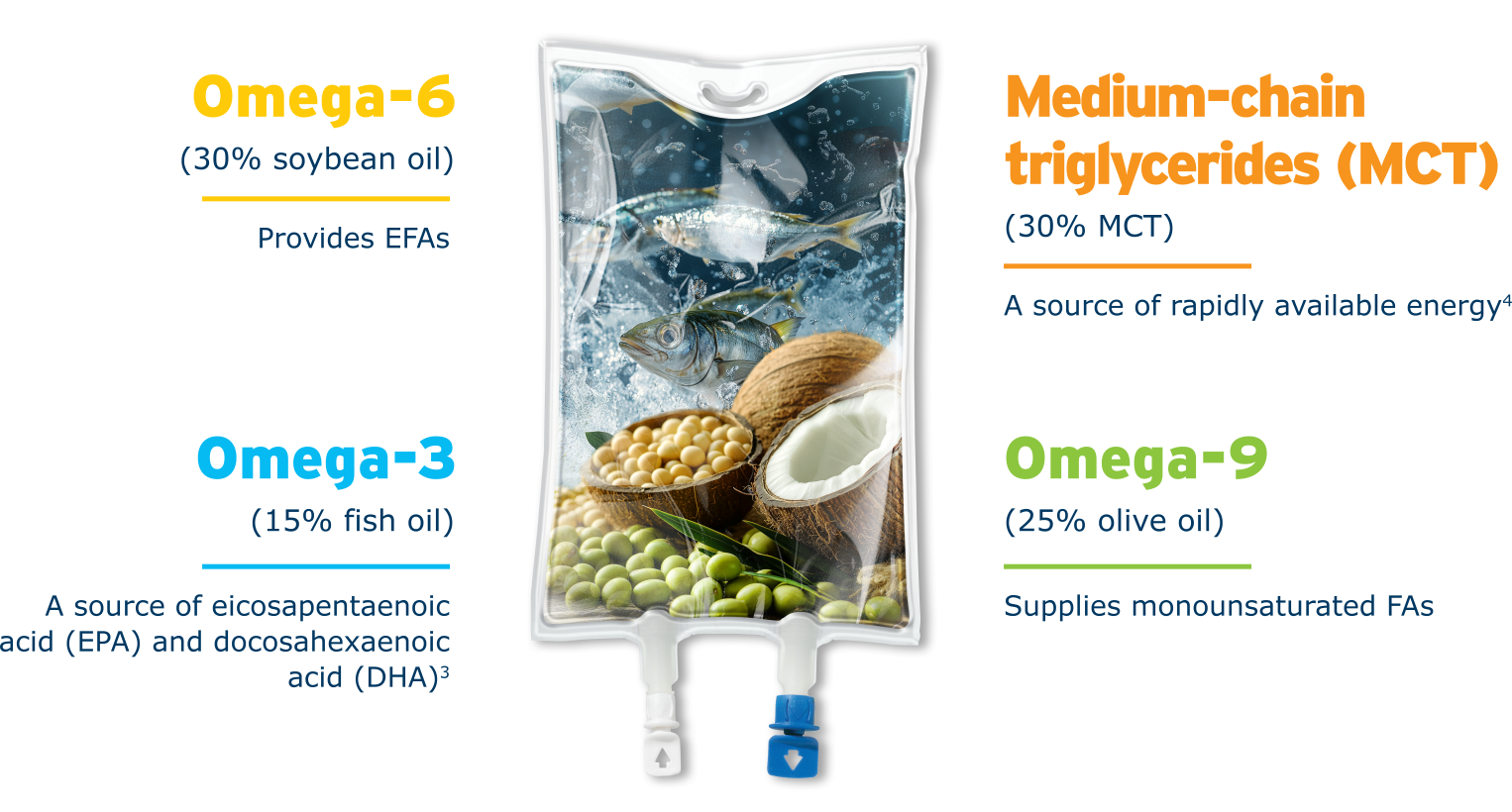
SMOFlipid’s unique blend of 4 oils allows clinicians to provide daily lipids for patients requiring PN.2
Indicated for daily lipid dosing2
Daily lipids can be a part of PN because they provide EFAs and are an alternative to dextrose as a sole energy source, which can help minimize the complications of excessive dextrose administration, including hepatic steatosis, respiratory insufficiency, hyperglycemia-induced compromised immune function, metabolic stress, and fever.5,6
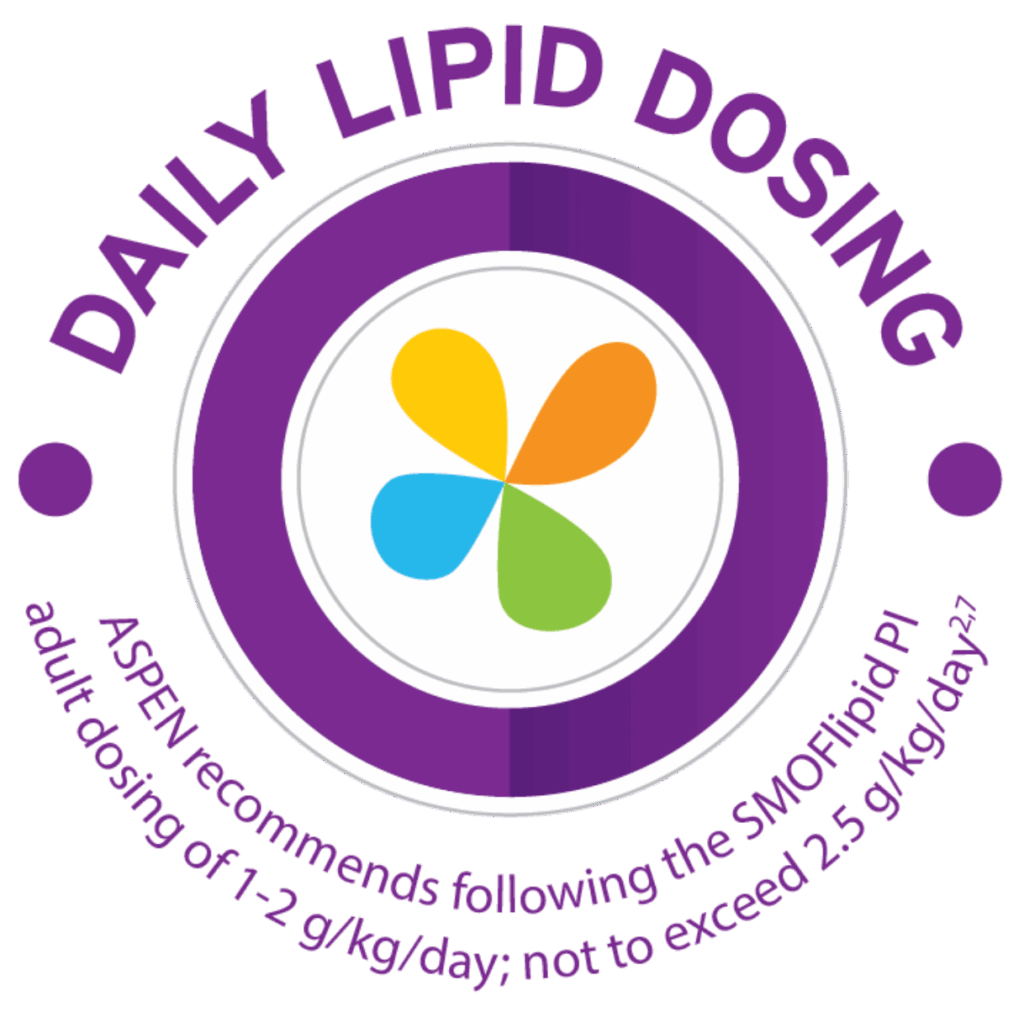
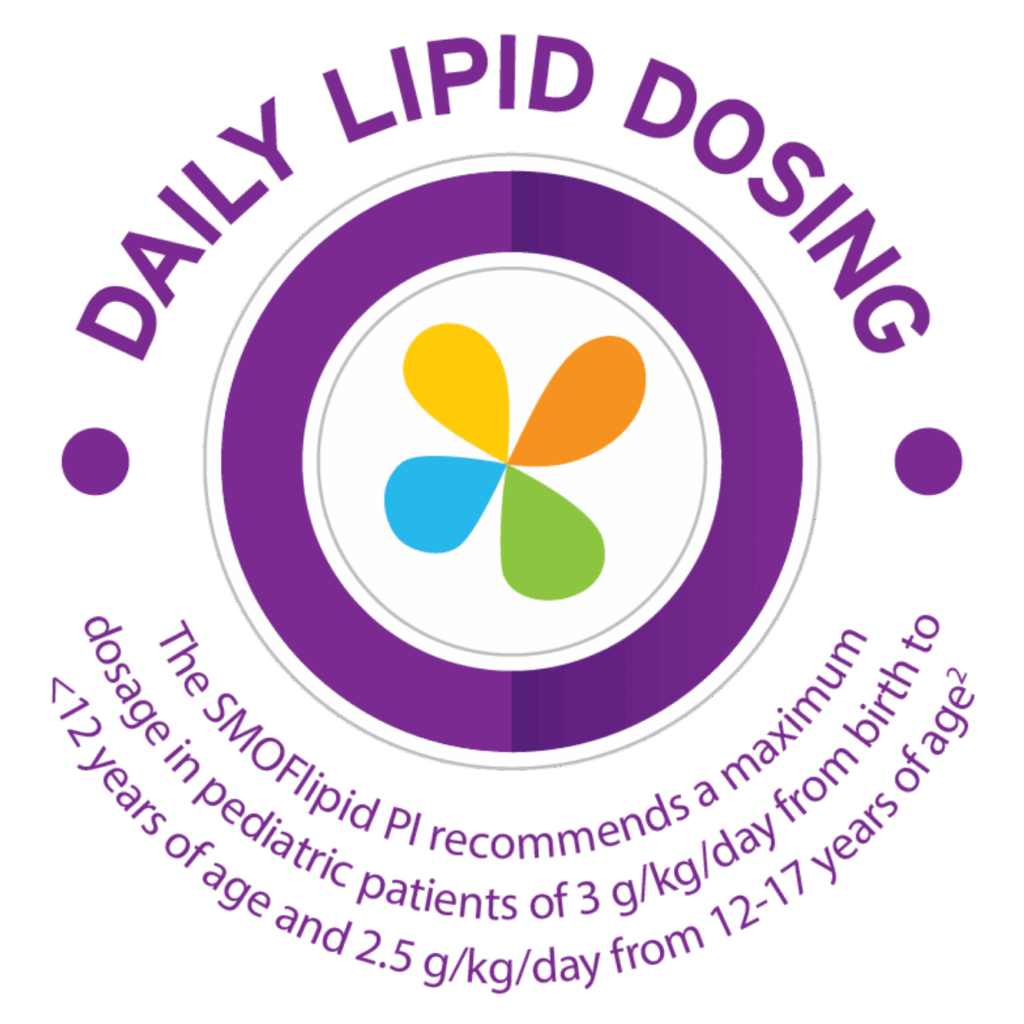
Recommended dosage depends on age, energy expenditure, clinical status, body weight, tolerance, ability to metabolize and eliminate lipids, and consideration of additional energy given to the patient.2
Do not exceed the maximum infusion rate of 0.5 mL/kg/hour in adults and 0.75 mL/kg/hour in pediatrics.2
Please refer to the Full Prescribing Information for complete dosing guidance.
Contains EFAs to support EFA needs2
SMOFlipid contains linoleic acid (LA) and alpha-linolenic acid (ALA), which are precursors to long-chain polyunsaturated fatty acids (LCPUFAs) that help prevent essential fatty acid deficiency (EFAD)2,8,9:
- LA is an omega-6 FA and precursor to arachidonic acid (ARA)
- ALA is an omega-3 FA and precursor to EPA and DHA
Essential Fatty Acid Deficiency: Monitor for signs and symptoms; monitor laboratory parameters.2
Proven to have a well-established safety and tolerability profile2
The US Food and Drug Administration (FDA) approved SMOFlipid for adults in 2016; six years later in 2022, SMOFlipid received approval for use in pediatric patients, including term and preterm neonates.2
There has been a recent publication from a post-marketing study.10 Read the full article.
SMOFlipid is a trusted lipid for the top 10 children’s hospitals*†
*Data on file 3/1/25.
†As reported by US News & World Report: https://health.usnews.com/best-hospitals/pediatric-rankings
SMOFlipid has been extensively researched, including in studies in more than 175 adult patients in 3 clinical trials and in more than 170 pediatric patients in 4 randomized, active-controlled, double-blind, parallel-group controlled clinical trials.2
In addition, Fresenius Kabi has developed comprehensive admixture stability and Y-site drug compatibility reference guides to help ensure the stability, compatibility, and integrity of admixtures for adult and pediatric patients. Check them out here.
Discover the one and only SMOFlipid
SMOFlipid is globally recognized, with approval in more than 75 countries. This unique blend of 4 oil sources provides a source of calories and EFAs to help nourish adult and pediatric patients requiring PN.2
Learn more about SMOFlipid:
SMOFlipid® (lipid injectable emulsion, USP), for intravenous use IMPORTANT SAFETY INFORMATION
What is SMOFlipid?
- Indicated in adult and pediatric patients as a source of calories and essential fatty acids for parenteral nutrition (PN) when oral or enteral nutrition is not possible, insufficient, or contraindicated.
- The hourly infusion rate in pediatrics should not exceed 0.75 mL/kg/hour and 0.5 mL/kg/hour in adults.
SMOFlipid should not be received by patients who have:
- A known allergy to fish, egg, soybean, or peanut, or to any of the active or inactive ingredients in SMOFlipid.
- Abnormally high levels of lipid (triglycerides) in the blood.
SMOFlipid may cause serious side effects including:
- Serious Adverse Reactions with Rapid Infusion of Intravenous Lipid Emulsion in Neonates and Infants: Strictly follow the recommended total daily dosage and do not exceed the maximum infusion rate. If poor clearance of fats occurs, the infusion should be stopped, and a medical evaluation started.
- Risk of Parenteral Nutrition-Associated Liver Disease: Parenteral nutrition-associated liver disease (PNALD) may progress to liver inflammation and damage caused by a buildup of fat in the liver with scarring and cirrhosis.
- Allergic Reactions: Contact your healthcare provider immediately if you are experiencing an allergic reaction.
- Fat Overload Syndrome, Refeeding Syndrome, Elevated Triglycerides (Hypertriglyceridemia): Your healthcare provider will monitor you for signs and symptoms of early infection and blood levels.
Monitoring/Laboratory Tests: The content of vitamin K may interfere with blood clotting activity of medications.
The most common side effects (>1%) in adult patients include nausea, vomiting, and high levels of glucose in the blood and in pediatric patients include low levels of red blood cells, vomiting, increased levels of liver enzymes (i.e., gamma-glutamyltransferase) and hospital- acquired infections.
These are not all the possible side effects associated with SMOFlipid. Call your healthcare provider for medical advice regarding SMOFlipid side effects. You are encouraged to report negative side effects of SMOFlipid. Contact Fresenius Kabi USA, LLC at: 1-800-551-7176 or FDA at: 1-800-FDA-1088 or www.fda.gov/medwatch. The FDA-approved product labeling can be found at https://freseniuskabinutrition.com/SMOFlipidPI.
Sources: 1. Data on File; 3/1/25; calculation includes: all ILEs approved in the US. 2. SMOFlipid Prescribing Information, Fresenius Kabi USA, LLC. 2023. 3. Kalish BT, Fallon EM, Puder M. A tutorial on fatty acid biology. JPEN J Parenter Enteral Nutr. 2012;36(4):380-388. 4. Deckelbaum RJ, Hamilton JA, Moser A, et al. Medium-chain versus long-chain triacylglycerol emulsion hydrolysis by lipoprotein lipase and hepatic lipase: implications for the mechanisms of lipase action. Biochemistry. 1990;29(5):1136-1142. 5. Vanek VW, Seidner DL, Allen P, et al. A.S.P.E.N. position paper: Clinical role for alternative intravenous fat emulsions. Nutr Clin Pract. 2012;27(2):150-192. 6. Calder PC, Jensen GL, Koletzko BV, Singer P, Wanten GJ. Lipid emulsions in parenteral nutrition of intensive care patients: current thinking and future directions. Intensive Care Med. 2010;36(5):735-749. 7. ASPEN Lipid Injectable Emulsion Safety Recommendations for Adult Patients. ASPEN website. 2021. Accessed March 4, 2025. https://nutritioncare.org/wp-content/uploads/2024/12/ILE-Safety-Recommendations-Adult.pdf 8. Agostoni C. Role of long-chain polyunsaturated fatty acids in the first year of life. J Pediatr Gastroenterol Nutr. 2008;47 Suppl 2:S41-S44. 9. Fell GL, Nandivada P, Gura KM, Puder M. Intravenous Lipid Emulsions in Parenteral Nutrition. Adv Nutr. 2015;6(5):600-610. Published 2015 Sep 15. 10. Abrams SA, Ernst KD, Weitkamp JH, et al. Safety and Efficacy of a Composite Lipid Emulsion with Fish Oil in Hospitalized Neonates and Infants Requiring Prolonged Parenteral Nutrition – A Randomized, Double-Blind, Multicenter, Controlled Trial. J Nutr. 2024;154(12):3615-3625.